Pygmalion effect
The Pygmalion effect is the phenomenon whereby higher expectations placed on a person lead to improved performance by that person. Expectations leak through behavior — attention, challenge, feedback, warmth — and become self-fulfilling; its dark twin, the Golem effect, is underperformance produced by low expectations.
How it works
In Rosenthal and Jacobson's classic study, teachers were told certain (randomly selected) students were about to bloom intellectually; those students showed larger IQ gains. Expectations change the expecter's behavior along four channels: climate (more warmth), input (more and harder material), output (more opportunities to respond), and feedback (more detailed and differentiated). The target reads these signals, adjusts self-belief and effort, and the prophecy completes itself.
Where it shows up
- A manager privately labels a new hire 'high potential' and gives them stretch assignments and forgiving feedback; the hire outperforms an equally able peer labeled 'average'.
- Military trainees randomly described to instructors as high-aptitude outperformed controls (Eden's field experiments).
- A founder who expects little from a team communicates it in a hundred small ways, and gets exactly the mediocrity expected.
What it can distort
- Early, often arbitrary labels compound: initial impressions allocate opportunity, which produces the performance that justifies the label.
- Low expectations do real damage (Golem effect) precisely to those with the least power to contest them.
How to work around it
- Audit who gets stretch opportunities and detailed feedback; distribute them by policy rather than by gut-level expectation.
- Treat early performance labels as provisional hypotheses with expiry dates, and re-test them against blind evidence.
- Communicate genuine high standards paired with belief the person can meet them — the combination shown to improve performance across studies.
Critiques and limits
Jussim and Harber's review concluded self-fulfilling prophecy effects in classrooms are real but typically small (accounting for a few percent of variance), largest for stigmatized or low-status targets; the original study's IQ measurement drew serious methodological criticism.
Fields of impact
How solid is the research?
The effect is real but much smaller than its popular reputation — classroom meta-analyses put it at a few percent of performance variance, larger for low-status targets and in field settings like Eden's military studies.
Relevant papers
Jussim, L., & Harber, K. D. (2005)
Personality and Social Psychology Review, 9(2), 131-155
Eden, D., & Shani, A. B. (1982)
Journal of Applied Psychology, 67(2), 194-199
Real-world patterns.
When emotion starts driving the decision
A leadership team is reviewing a promising initiative under deadline pressure. Early reactions to the concept are strongly positive, and that emotional tone begins shaping the discussion before anyone has separated likely upside from operational risk.
Context
A team makes a high-stakes decision under time pressure, and their first emotional reaction starts shaping how risky and how promising the option feels.
Situation
Early signals look encouraging, the narrative feels compelling, and the group begins to evaluate the opportunity through that positive feeling instead of separating upside from downside.
The bias in action
The emotional tone of the option begins to stand in for careful analysis, shrinking perceived risk while inflating expected benefit.
Outcome
The decision moves forward with less scrutiny than it would have received under a more explicit risk-benefit review.
Continue reading for the full case, measurable impact, and lessons learned.
Want the full analysis?
Request access to the complete case study, including measurable impact, lessons learned, and the recommended better approach.
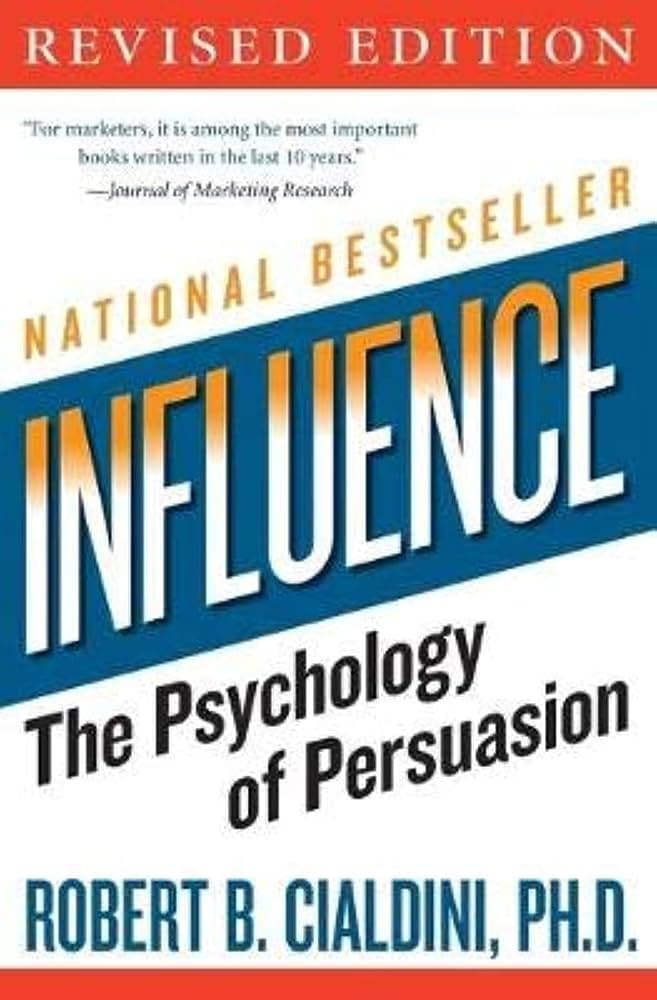
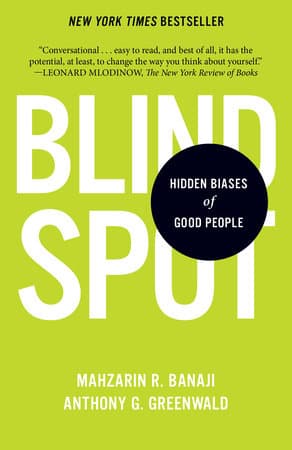
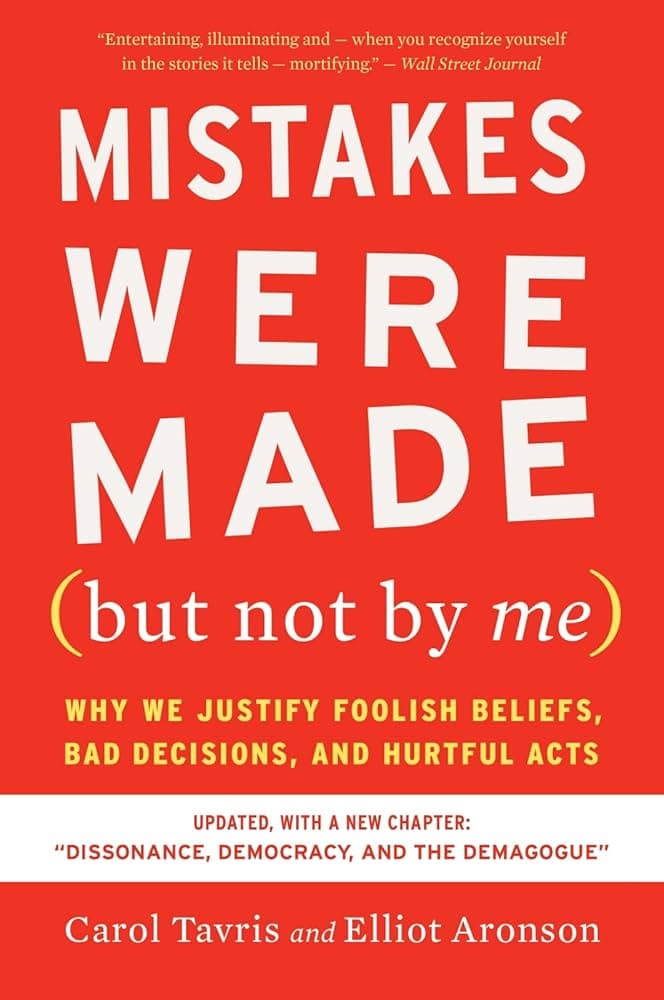
Recommended books
Nearby patterns.
Observer-expectancy effect
Observer-expectancy contaminates measurements; the Pygmalion effect changes the measured person's actual performance through expectations.
Halo effect
The halo effect is letting one positive trait — attractiveness, prestige, polish, friendliness, a famous brand — spill into judgments about unrelated traits.
Stereotyping
Stereotyping is using a broad belief about a group to infer traits, ability, motives, or behavior in a particular person.
Placebo effect
The placebo effect is a change in symptoms or experience caused by the meaning and expectation attached to treatment, rather than its active ingredient.
Authority bias
Authority bias is giving a claim extra weight because it comes from a prestigious, powerful, or credentialed person, beyond what their relevant evidence and expertise justify.
Learn the wider pattern.
Dive deeper into Pygmalion effect and related biases in Social and Group Influence Biaseswith structured lessons, examples, and practice exercises.
Entry last reviewed 2026-07-19 · sources verified against the published literature — methodology