Authority bias

Authority bias is a cognitive bias that leads individuals to attribute greater accuracy and truthfulness to the opinion of an authority figure and to be more influenced by their perspective. This bias stems from a natural human tendency to trust and follow the guidance of those who are perceived as experts or leaders.

How it works

Authority bias occurs when people defer to the judgment or opinion of an authority figure, often bypassing their critical thinking processes. This deference is influenced by the perceived social status, expertise, or power of the authority figure. The bias fills in informational gaps when individuals rely on an expert's opinion to make decisions instead of seeking additional evidence or forming their independent judgment.

Examples

  • Medical patients frequently accepting a doctor's advice without seeking a second opinion.
  • Consumers buying products endorsed by celebrities or influencers without evaluating alternative options.
  • Employees agreeing with a manager's strategy during a meeting despite having valid concerns.

Consequences

The consequences of authority bias can include poor decision-making, the reinforcement of incorrect or harmful ideas, and the perpetuation of power imbalances. It can also contribute to systemic errors, such as in healthcare when patients disregard important symptoms based on incorrect medical advice, or in organizations where innovation is stifled due to unchallenged authoritative directives.

Counteracting

To counteract authority bias, individuals should be encouraged to engage in critical thinking and seek multiple perspectives, particularly when decisions are impactful. Organizations can promote a culture of open dialogue where questioning and feedback are welcomed. Seeking out diverse sources of information and using evidence-based practices can also mitigate the overreliance on authority figures.

Critiques

Critics of the concept suggest that authority bias is often unavoidable in complex fields where laypersons require expert guidance, such as medicine or law. They argue that while authority bias can lead to errors, the expertise of authority figures can also provide valuable insights that would be inaccessible otherwise.

Also known as

Expert bias
Authority fallacy
Appeal to authority

Relevant Research

  • The Impact of Authority on Conformity: Revisiting Milgram's Study

    Stanley Milgram (1965)

    Journal of Social Psychology

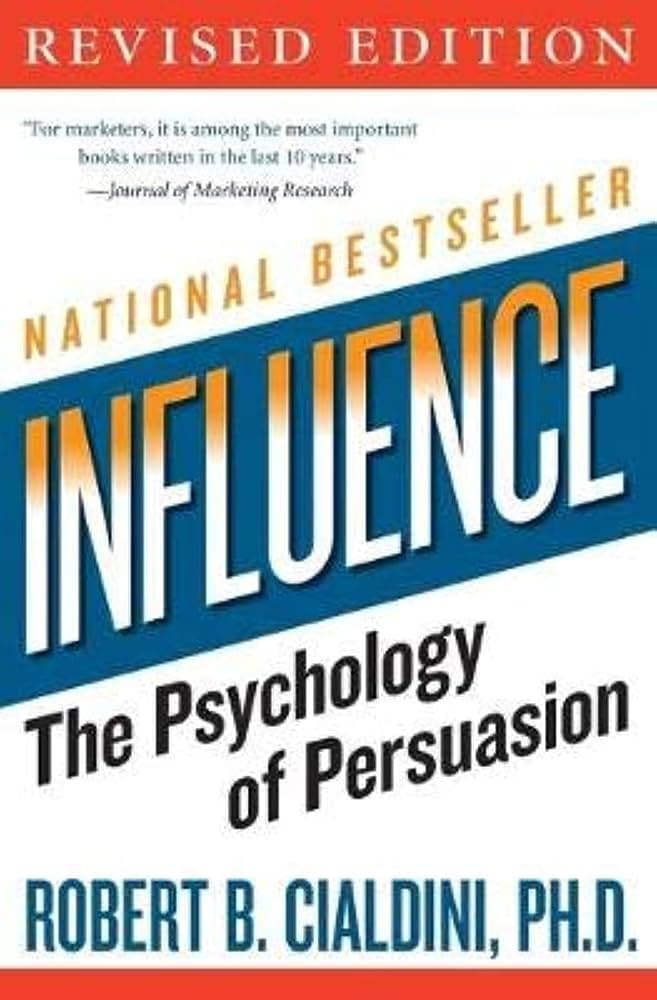
  • Authority and Persuasion: The Role of Expertise in Compliance

    Robert B. Cialdini (1993)

    Journal of Consumer Research

Case Studies

Real-world examples showing how Authority bias manifests in practice

A Trusted Surgeon’s Endorsement: Rapid Adoption of a New Implant and Rising Complications
A real-world example of Authority bias in action

Context

A mid-sized regional hospital was looking to reduce recovery time and length of stay for common hernia repairs. A well-respected senior surgeon who had a strong track record at the hospital began publicly endorsing a new minimally invasive implant system that promised faster recovery and lower pain scores.

Situation

Hospital leadership and the surgical department fast-tracked procurement of the implant after the surgeon presented anecdotal successes from a few cases and a brief vendor demo. Junior surgeons and OR staff were encouraged to adopt the new technique with limited formal training and no internal pilot or external independent evaluation.

The Bias in Action

Because the endorsement came from a highly regarded authority figure, colleagues accepted the claims without demanding rigorous evidence or a controlled trial. Junior staff deferred to the senior surgeon’s judgment in operating-room decisions and patient selection, assuming the device’s benefits were proven. Procurement and clinical governance committees abbreviated their usual review processes, influenced by the surgeon’s reputation and the expectation of improved metrics. In meetings, dissenting concerns were downplayed or not raised because challenging the surgeon felt professionally risky.

Outcome

Within six months after full adoption, the hospital observed an increase in postoperative complications related to the implant: more seromas and device migrations than expected. Several patients required revision surgeries and longer inpatient stays, and the hospital faced multiple complaints and an internal review. The senior surgeon’s reputation made it difficult initially for staff to voice concerns publicly, delaying corrective action.

Study on Microcourse
Learn more about Reasoning and Logical Fallacies with an interactive course

Dive deeper into Authority bias and related biases with structured lessons, examples, and practice exercises on Microcourse.

Test your knowledge
Check your understanding of Authority bias with a short quiz

Apply what you've learned and reinforce your understanding of this cognitive bias.

Authority bias - The Bias Codex