Motivated reasoning
Motivated reasoning is the tendency to process information in ways that arrive at the conclusions we want to reach, while experiencing the process as objective. Desired conclusions get asked 'Can I believe this?'; undesired ones get asked 'Must I believe this?' — two very different evidentiary bars.
How it works
Kunda's synthesis: motivation doesn't let us believe anything at will — we still need justification — but it biases every stage of building one. We search memory for supportive evidence, choose the statistical standards that favor our side, scrutinize hostile findings for flaws while waving friendly ones through, and stop searching the moment the preferred conclusion is reached. Because each step feels like reasoning, the output feels earned.
Where it shows up
- A founder reads churn data leniently ('seasonal') but a competitor's growth data skeptically ('vanity metrics') using identical evidence standards for neither.
- Reviewers judge the methodology of studies as stronger when conclusions match their politics — same paper, different verdicts.
- Smokers rate the evidence linking smoking to disease as weaker than non-smokers do.
What it can distort
- Intelligence and expertise don't protect — they arm: skilled reasoners construct better justifications for what they already wanted.
- Organizations built on smart, invested people can converge on flattering falsehoods with elaborate analytical support.
How to work around it
- Apply the symmetry test: would this evidence convince me if it pointed the other way? If not, the evidence isn't what's doing the convincing.
- State in advance what evidence would change your mind, before results arrive — precommitment removes the freedom to move standards.
- Separate the analyst from the stakeholder: have people without skin in the conclusion evaluate the evidence.
Critiques and limits
Distinguishing motivated reasoning from rational updating with different priors is methodologically hard, and some claimed demonstrations (notably politically motivated reasoning) are debated as expressive responding or prior-driven Bayesian inference.
Fields of impact
How solid is the research?
The core asymmetry in evidentiary standards is well documented across domains; debates continue over how much politically motivated reasoning reflects motivation versus differing priors.
Relevant papers
Taber, C. S., & Lodge, M. (2006)
American Journal of Political Science, 50(3), 755-769
Real-world patterns.
When emotion starts driving the decision
A leadership team is reviewing a promising initiative under deadline pressure. Early reactions to the concept are strongly positive, and that emotional tone begins shaping the discussion before anyone has separated likely upside from operational risk.
Context
A team makes a high-stakes decision under time pressure, and their first emotional reaction starts shaping how risky and how promising the option feels.
Situation
Early signals look encouraging, the narrative feels compelling, and the group begins to evaluate the opportunity through that positive feeling instead of separating upside from downside.
The bias in action
The emotional tone of the option begins to stand in for careful analysis, shrinking perceived risk while inflating expected benefit.
Outcome
The decision moves forward with less scrutiny than it would have received under a more explicit risk-benefit review.
Continue reading for the full case, measurable impact, and lessons learned.
Want the full analysis?
Request access to the complete case study, including measurable impact, lessons learned, and the recommended better approach.
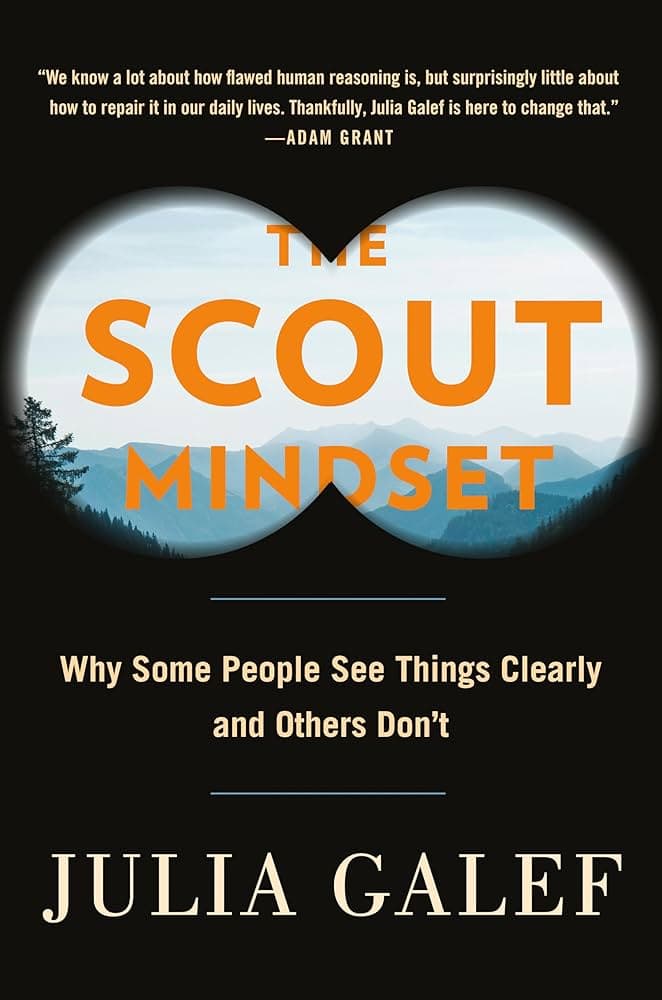
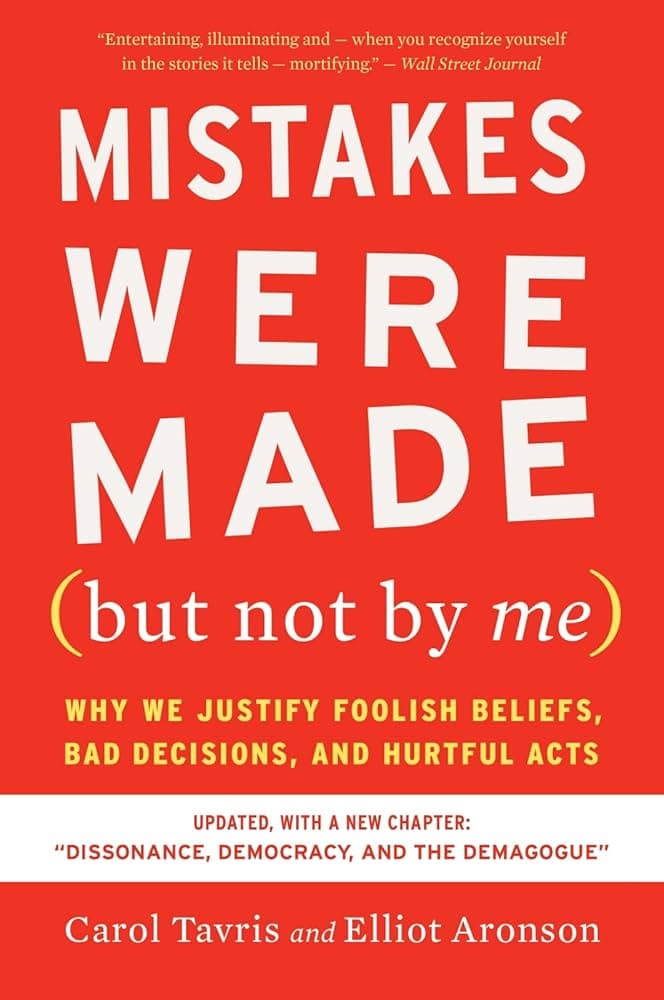
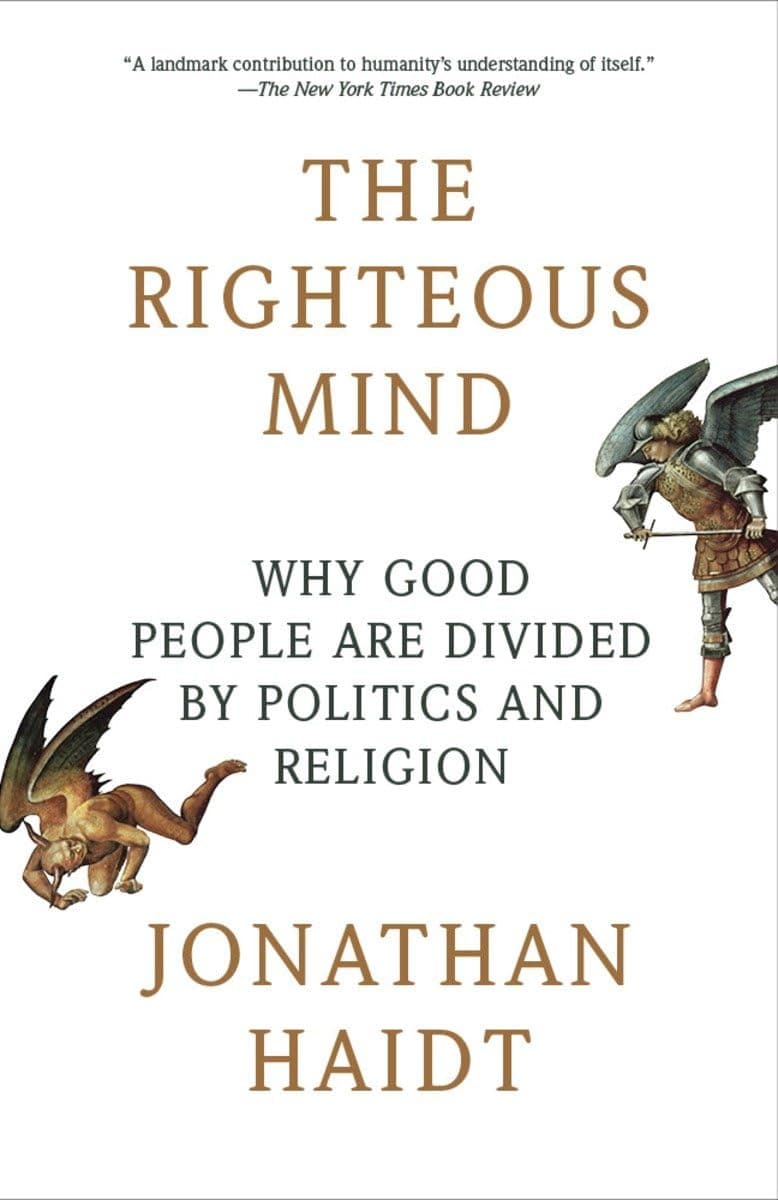
Recommended books
Nearby patterns.
Confirmation bias
Confirmation bias is the tendency to treat evidence as a lawyer for what we already believe rather than a test of whether we are right.
Self-serving bias
Self-serving bias is claiming personal credit for success while assigning failure to circumstances, luck, or other people.
Ostrich effect
The ostrich effect is avoiding threatening information because looking at it feels worse, even when the information could improve the next decision..
Belief perseverance
Belief perseverance is the tendency to maintain a belief even after the evidence that originally supported it has been completely discredited.
Selective perception
Selective perception is noticing, interpreting, and remembering information through a filter shaped by what you already expect or believe..
Belief bias
Belief bias is judging an argument's logic by whether its conclusion feels believable.
Learn the wider pattern.
Dive deeper into Motivated reasoning and related biases in Reasoning and Logical Fallacieswith structured lessons, examples, and practice exercises.
Entry last reviewed 2026-07-19 · sources verified against the published literature — methodology