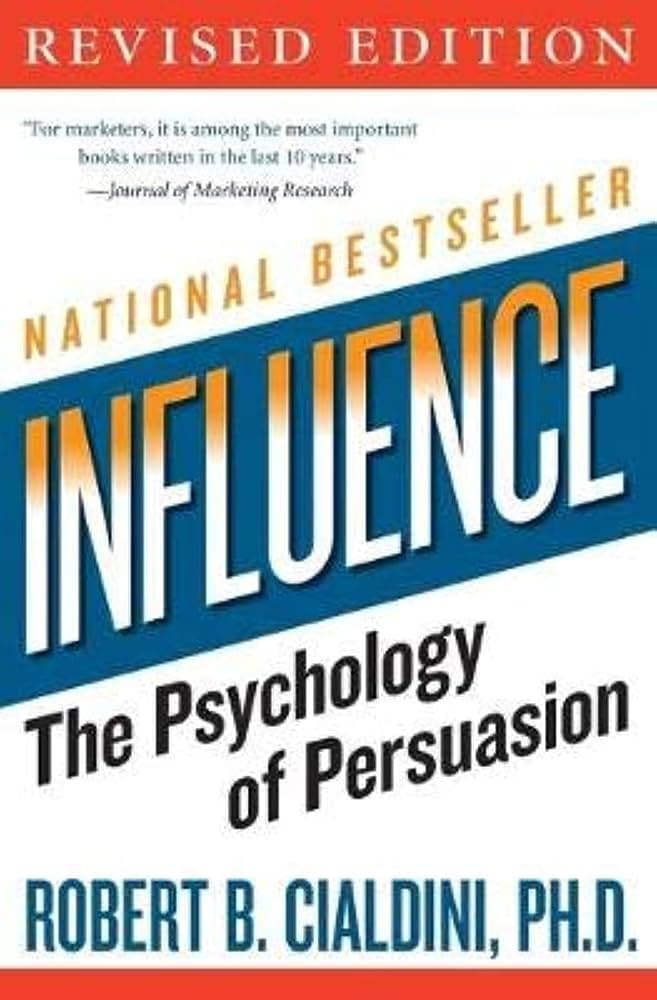
Reactance

Reactance is a cognitive bias referring to the emotional reaction individuals have when they perceive their autonomy to be threatened or their range of options to be limited. This psychological response often leads to behavior that is contrary to what is being imposed, as an attempt to regain control or freedom. When people perceive their freedoms are being infringed upon, they may be motivated to restore those freedoms, even at the cost of making irrational decisions. This bias falls under the category 'Need for Speed' due to the immediate and instinctive nature of the response and the subcategory 'Motivated to preserve autonomy and status.'

How it works

Reactance occurs when people encounter a situation where they feel that their choices are being restricted. This could be due to direct prohibition or subtler social pressures. The theory suggests that people perceive their options as more valuable when they are threatened or limited, causing them to want to exercise those restricted options even more. The cognitive process involves a heightened valuation of the forbidden option and a motivational push to assert one’s independence and autonomy.

Examples

  • When a new policy prohibits smoking in certain areas, smokers may feel an increased desire to smoke there.
  • Teenagers often wish to engage in activities their parents explicitly forbid, such as staying out late or attending particular parties.
  • In marketing, when a product is advertised with ‘limited stock’ or ‘only available for a limited time,’ consumers might rush to buy it, driven by the feeling their choices are being limited.

Consequences

Reactance can lead to counterproductive behaviors where individuals make decisions that are not in their best interest simply to resist perceived control. This bias can contribute to unhealthy habits, inefficient time management, or even oppositional defiance in social or political contexts. It can also result in strained relationships and reduced cooperation when people resist authority or guidance, even when it is warranted.

Counteracting

Counteracting reactance involves strategies such as providing choices, fostering open communication, and using persuasive communication that respects autonomy rather than imposing decisions. Another approach is to explain the rationale behind restrictions or limitations so that individuals see them as beneficial rather than controlling. Empowering individuals with more information about the situation can also mitigate reactance.

Critiques

Some critiques of the reactance theory argue that not all restrictions elicit the same level of reactance and that individual differences play a significant role. Critics also point out that the extent of perceived threat to autonomy can vary greatly among cultures and social structures, making universal applications of the theory challenging. Additionally, some suggest that reactance can sometimes lead to positive outcomes by spurring innovation or resistance against unjust restrictions.

Also known as

Psychological reactance
Autonomy defense
Rebelliousness

Relevant Research

  • A Theory of Psychological Reactance

    Brehm, J. W. (1966)

    New York: Academic Press

  • Reactance Theory-40 Years Later,

    Miron, A. M., & Brehm, J. W. (2006)

    Zeitschrift für Sozialpsychologie

  • Deflecting Reactance: The Role of Similarity in Increasing Compliance and Reducing Resistance,

    Silvia, P. J. (2005)

    Basic and Applied Social Psychology

Case Studies

Real-world examples showing how Reactance manifests in practice

When Productivity Tools Trigger a Productivity Collapse
A real-world example of Reactance in action

Context

A mid-sized software company moved to permanent remote work after the pandemic and faced pressure from investors to maintain output. Leadership introduced mandatory employee-monitoring software to quantify work hours and cursor/keystroke activity, aiming to reassure stakeholders about productivity.

Situation

The IT and People teams rolled out the monitoring tool with a two-week notice and limited employee consultation. The vendor dashboard produced individual-level activity scores that managers were instructed to use in performance reviews.

The Bias in Action

Employees perceived the monitoring as an infringement on their autonomy and privacy. In response many began to game the system (leaving fake activity scripts running, switching to secondary devices, or clustering collaborative work off-platform) rather than changing how they worked. Others reacted emotionally: engagement dropped, informal knowledge-sharing decreased, and some high-performing contributors privately reduced discretionary effort to signal displeasure. Managers, seeing distorted metrics, made short-term, punitive decisions that amplified distrust.

Outcome

Measured productivity on the monitoring dashboard initially rose as people tried to appear active, then fell by mid-quarter as gaming and disengagement took hold. Several senior engineers declined promotions or started looking for new roles, and voluntary turnover increased. Leadership paused the program and commissioned an employee survey after a three-month shock to morale.

Study on Microcourse
Learn more about Memory and Information Processing Biases with an interactive course

Dive deeper into Reactance and related biases with structured lessons, examples, and practice exercises on Microcourse.

Test your knowledge
Check your understanding of Reactance with a short quiz

Apply what you've learned and reinforce your understanding of this cognitive bias.

Reactance - The Bias Codex