Moral credential effect
The Moral Credential Effect is a cognitive bias where an individual's prior ethical behavior gives them a license to engage in potentially unethical actions without feeling guilty or damaging their self-image. It occurs when having previously made a moral choice allows someone to feel less compelled to act morally in subsequent situations.
How it works
The Moral Credential Effect operates on the premise of licensing. When someone performs a moral or altruistic act, they earn 'moral credentials' or a kind of moral currency. These credentials can unconsciously reduce the perceived need or pressure to act ethically in future situations. Essentially, one good deed can act as a mental buffer, allowing self-interested or questionable actions to feel more justified.
Examples
- A person who donates to charity may feel justified in splurging on luxury goods that contradict the ethical values they initially supported.
- An employer who promotes diversity in hiring decisions might subsequently feel less compelled to address racial biases in their workplace.
- A politician known for advocating environmental policies might support certain legislation that harms the environment without facing significant backlash from their supporters.
Consequences
This bias can lead to a paradox where initial good deeds pave the way for lax adherence to moral standards later. It can cause individuals and organizations to become complacent, falsely satisfied by past actions, thus reducing incentives for continuous ethical behavior. Moreover, this effect can undermine the credibility of ethical and moral standards in decision-making and public policy.
Counteracting
Counteracting the Moral Credential Effect involves awareness and self-reflection regarding one's motivations and behaviors. Encouraging ongoing ethical education and creating systems where moral behavior is regularly assessed can help. Organizations can implement accountability measures and foster environments where ethical actions are continually supported and reinforced, rather than being one-time accomplishments.
Critiques
Critics argue that the Moral Credential Effect can oversimplify the complexities of human moral behavior, overlooking the dynamic context in which decisions are made. Moreover, the presumption that one good deed diminishes the need for further ethical actions may not universally apply across different cultures and personal belief systems.
Fields of Impact
Also known as
Relevant Research
33
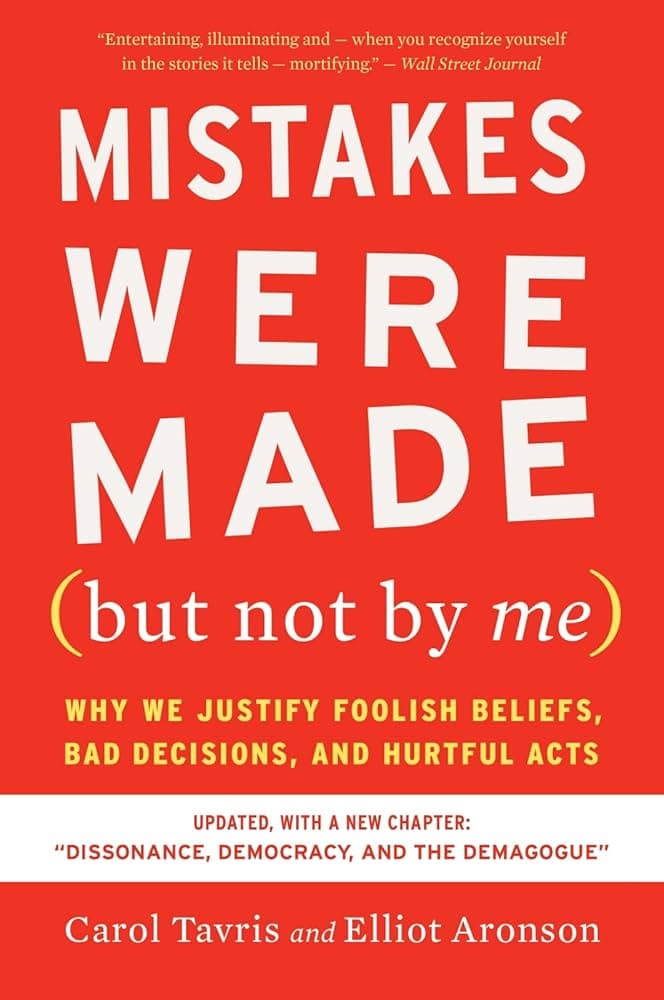
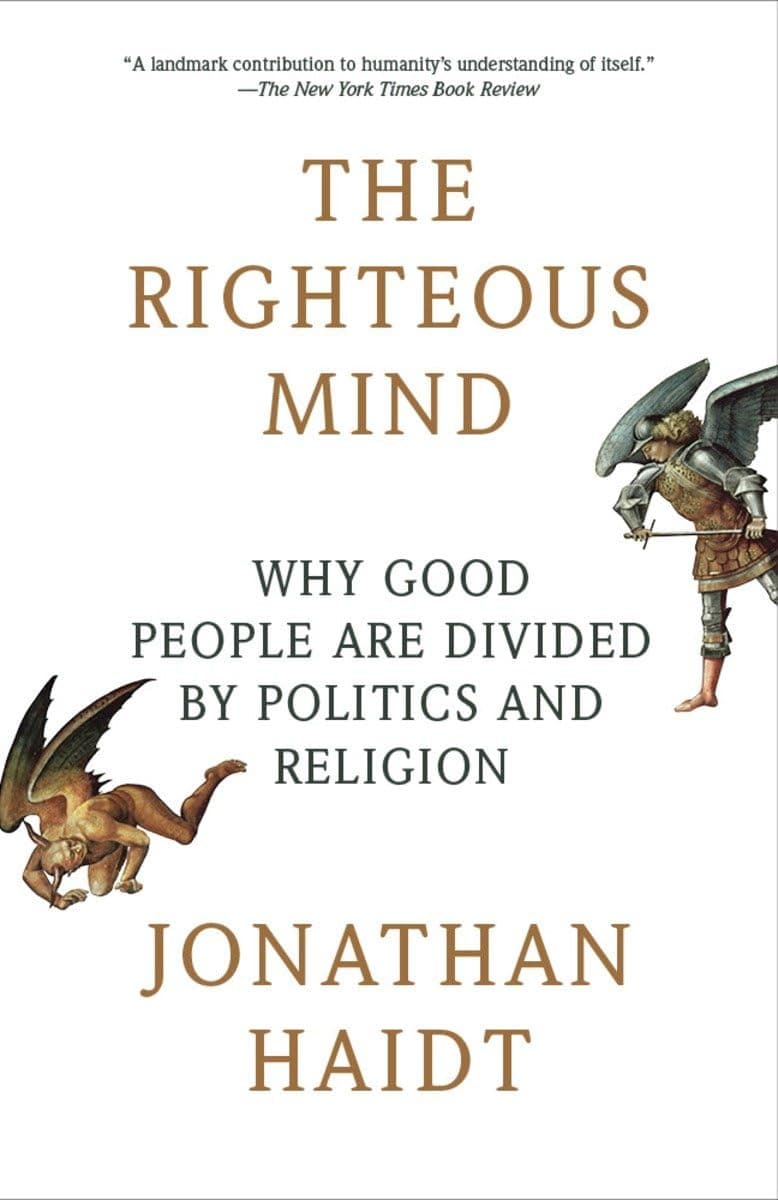
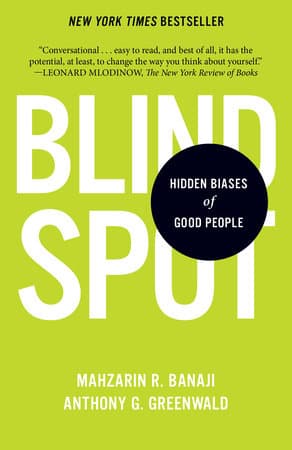
Monin, B., & Miller, D. T. (2001). Moral credentials and the expression of prejudice. Journal of Personality and Social Psychology, 81 (1)
Endorsing Obama licenses favoring Whites
Effron, D. A., Cameron, J. S., & Monin, B. (2009)
Journal of Experimental Social Psychology, 45(3), 590-593
Sinning saints and saintly sinners: The paradox of moral self-regulation
Sachdeva, S., Iliev, R., & Medin, D. L. (2009)
Psychological science, 20(4), 523-528
Case Studies
Real-world examples showing how Moral credential effect manifests in practice
Context
A mid-sized consumer technology company had spent the previous year promoting a high-profile ethics and privacy pledge after several employees organized a volunteer-driven privacy-awareness campaign. Leadership celebrated the campaign internally and externally, giving the product organization an “ethical badge” and public recognition for putting users first.
Situation
Three months later the product team faced an aggressive roadmap: a new personalization feature promised to boost engagement before the holiday quarter. The engineering lead, who had been one of the campaign’s visible champions, pushed to bypass a planned privacy impact assessment and to postpone integration of a newly proposed encryption module to meet the deadline.
The Bias in Action
Because the engineering lead had been publicly associated with the company’s ethics push, they felt less morally constrained about cutting corners—believing their prior good act (leading the campaign) counterbalanced the risk of a compromise. That sense of moral credentialing was shared casually across the product team: team members rationalized the omission as a temporary, acceptable tradeoff. Formal signals that normally trigger stricter review (a blocked compliance checklist and a red flag from QA about data flows) were downplayed or deferred rather than acted on.
Outcome
Three months after launch an external security researcher flagged an endpoint that exposed hashed user identifiers and partial activity logs. The company issued a remediation patch, but the incident affected user trust. The product experienced measurable churn, and the company paid regulatory penalties and incurred rework costs.