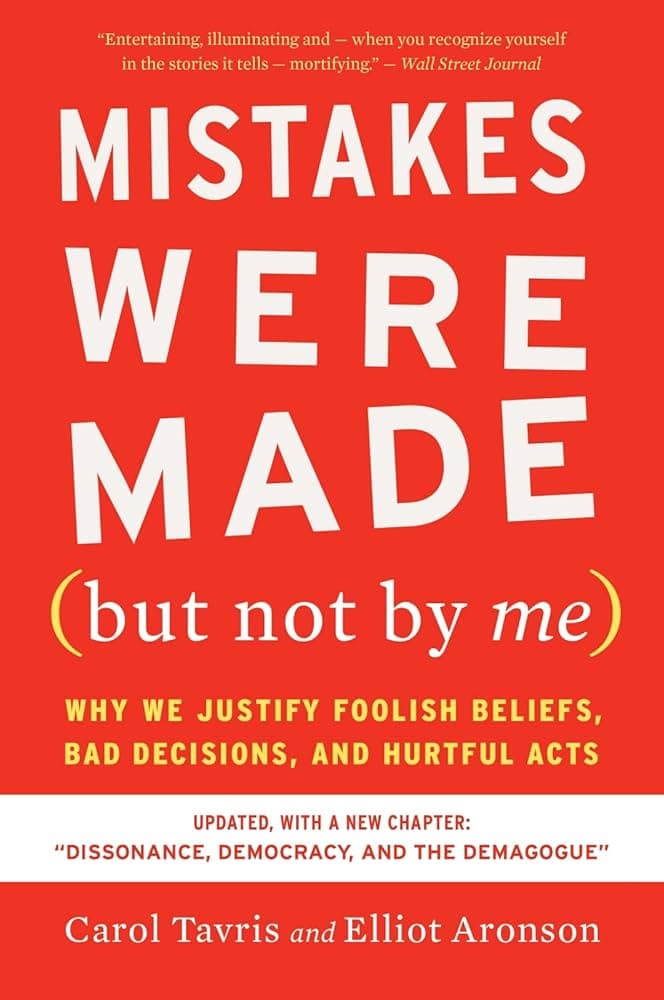
Shipping by Memory: When a Product Decision Came from the Wrong Conversation
A real-world example of Misattribution of memory in action
Context
A mid-size SaaS company was racing to deliver quarterly roadmap items. The product manager juggled dozens of user conversations, conference talks, and older research artifacts while deciding priorities under time pressure.
Situation
During sprint planning the product manager argued that customers had recently requested a new compliance feature and that a large client had verbally approved it. The team fast-tracked design and engineering without re-checking the original source of the request or getting a documented sign-off.
The bias in action
The product manager had a vivid recollection of a customer asking for the feature, but that memory actually came from a year-old conference panel and a different client segment. They attributed the idea to a recent usability interview and cited it as justification to deprioritize other work. Engineers and legal relied on that attribution when shaping requirements, so assumptions about jurisdiction, data handling, and acceptance criteria were never validated. The team treated the remembered source as a factual input rather than a hypothesis to confirm.
Outcome
The feature shipped after a 10-week build and cost approximately $150,000 in engineering and design effort. Adoption was almost zero among target users (0.9% vs. an expected 20%), and several enterprise customers declined the new workflow for not meeting their actual compliance needs. Five mid-sized customers churned within three months, creating measurable revenue loss and a scramble to roll back and rework the capability.
What's inside the full case study
Unlock the deeper breakdown with real-world impact, measurable effects, lessons learned, better-approach recommendations, and relevant fields.
Want the full analysis?
Request access to the complete case study, including measurable impact, lessons learned, and the recommended better approach.