Loss aversion

Loss aversion is a cognitive bias that refers to the tendency for individuals to prefer avoiding losses rather than acquiring equivalent gains. This phenomenon implies that the pain of losing is psychologically about twice as powerful as the pleasure of gaining. As such, people are typically more motivated to try to avoid losses than to try to achieve gains.

How it works

Loss aversion works through a psychological and emotional response to perceived risks and rewards. When faced with a decision, the potential loss looms larger than an equivalent potential gain in a person’s mind. This is due to the asymmetric way people evaluate outcomes, which results in a stronger emotional reaction to potential losses. The fear of loss triggers risk-averse behaviors, even when the potential benefits of a decision may outweigh the risks.

Examples

  • A person may choose not to invest in a seemingly promising stock due to the fear of losing their initial investment, despite the high potential gains.
  • A gambler might quit a game to avoid the loss of their current winnings, preferring the certainty of keeping what they have over the possibility of earning more.
  • In sales, customers are more likely to purchase a product if they are told they will lose a discount, rather than if they are offered a new benefit.

Consequences

Loss aversion can lead to conservative decision-making, whereby individuals may pass up lucrative opportunities due to fear of losses. It can contribute to inertia and status quo bias, making people reluctant to change or innovate, potentially resulting in missed opportunities for growth or improvement. In finance, this bias can cause investors to hold on to losing stocks due to an aversion to realizing a loss, often exacerbating their losses over time.

Counteracting

To counteract loss aversion, individuals or organizations can reframe decisions to focus on potential gains rather than losses. Decision-makers can also implement structured decision-making processes that include rigorous risk-benefit analysis to balance emotional responses. Mindfulness and cognitive-behavioral techniques may help individuals become more aware of their biases and reduce their impact on decision-making. Education and training on common cognitive biases can also empower individuals to make more informed decisions.

Critiques

Critiques of the concept of loss aversion argue that it can oversimplify complex decision-making processes and doesn’t account for individual differences in risk tolerance. Some research suggests that the magnitude of loss aversion may vary across cultures and context, indicating that the bias may not be universally applicable. Critics also point out that the bias may not account for situational variables that influence risk perception, nor does it consider how previous experiences and personal values may affect decision-making.

Also known as

Endowment Effect
Negativity Bias

Relevant Research

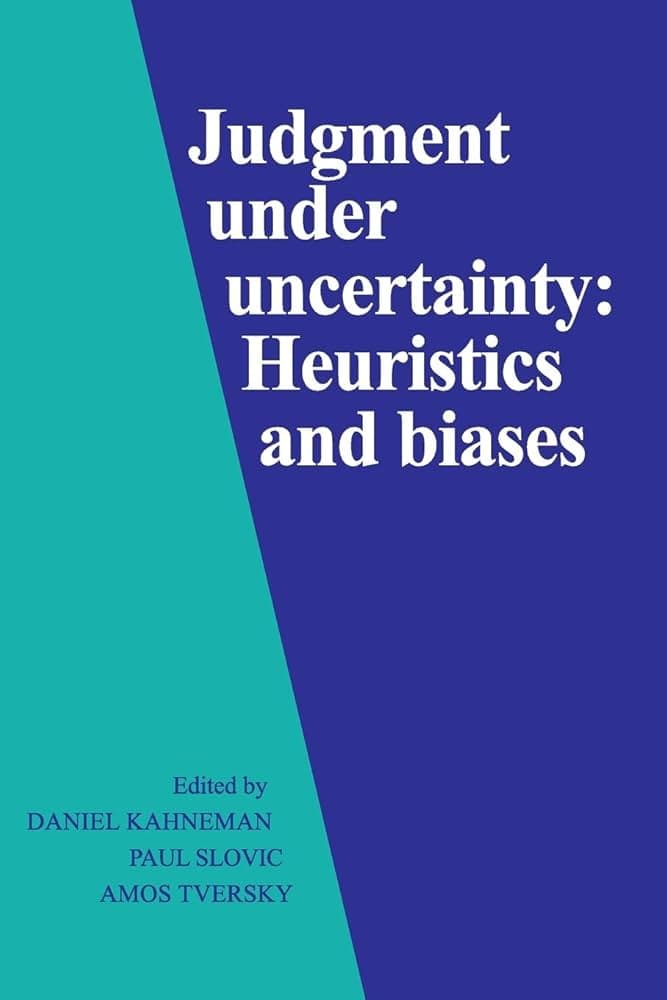
  • Prospect Theory: An Analysis of Decision under Risk

    Daniel Kahneman, Amos Tversky (1979)

  • Loss Aversion in Riskless Choice: A Reference-Dependent Model

    Botond Kőszegi, Matthew Rabin (2006)

  • The Endowment Effect, Loss Aversion, and Status Quo Bias

    Daniel Kahneman, Jack L. Knetsch, Richard Thaler (1991)

Case Studies

Real-world examples showing how Loss aversion manifests in practice

When Paper Losses Become Real Problems: A Robo‑Advisor's Struggle with Client Aversion
A real-world example of Loss aversion in action

Context

Leafline Capital is a mid-size robo-advisor managing $120M in client assets. The firm rolled out an automated tax‑loss harvesting (TLH) feature designed to improve clients' after‑tax returns by systematically realizing small losses and replacing positions with equivalent exposure.

Situation

The TLH feature was enabled as an opt‑in recommendation via in‑app messaging and email, with data showing a projected 0.8–2.2% increase in after‑tax returns depending on client tax brackets. Despite clear projected gains, a substantial share of clients clicked 'decline' or ignored educational material explaining how harvesting losses now leads to larger after‑tax wealth.

The Bias in Action

Clients focused on the immediate feeling of realizing a loss — seeing 'loss realized' in account activity — and interpreted that as personal failure. Many equated harvesting with 'locking in losses' rather than understanding the tax benefit and future reentry positions. Advisors reported that when presented with account statements showing realized losses, clients expressed regret and asked to disable TLH even when models projected higher long‑term returns. The company saw decision patterns consistent with loss aversion: the psychological pain of recording a loss outweighed the rational expectation of tax‑efficient gains.

Outcome

Within 12 months of the rollout, 18% of eligible clients actively declined TLH and another 12% ignored the recommendation (effectively declining). The cohort that refused TLH underperformed similar clients who accepted it, and refusal was associated with higher churn and lower referrals. Management paused further behavioral features while they reworked the messaging and defaults.

Study on Microcourse
Learn more about Attribution and Judgment Errors with an interactive course

Dive deeper into Loss aversion and related biases with structured lessons, examples, and practice exercises on Microcourse.

Test your knowledge
Check your understanding of Loss aversion with a short quiz

Apply what you've learned and reinforce your understanding of this cognitive bias.

Loss aversion - The Bias Codex