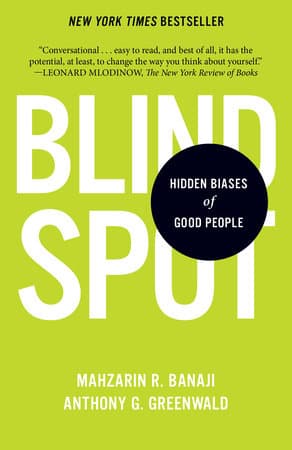
Same-Alma, Different Outcomes: How 'Fit' Became a Filter
A real-world example of Implicit associations in action
Context
A mid-size SaaS company was scaling its engineering organization from 80 to 200 people over 12 months. Hiring relied on a mix of structured technical screens and open-ended “culture-fit” conversations led by hiring managers and senior engineers.
Situation
Interviewers often began interviews with casual small talk about hometowns, universities, and weekend hobbies to put candidates at ease. Over time, hiring managers—consciously believing they valued merit—found themselves rating candidates who shared similar backgrounds and interests as a better “fit.”
The bias in action
Unconscious associations linked similarity (same university, same sports team fandom, same city) with competence and leadership potential; interviewers translated warm rapport into higher competence scores. Candidates who did not share those surface signals received lower subjective 'fit' marks despite comparable technical evaluations. Those informal signals disproportionately favored applicants from a handful of local universities and social networks, reinforcing the interviewers’ sense that the hires were the best available. The team didn’t notice because technical scores were recorded separately and the company conflated ‘fit’ and ‘potential’ when making final decisions.
Outcome
Over the 12-month hiring burst, 64% of engineering hires came from three universities that made up 18% of the applicant pool. Demographic diversity metrics slipped: hiring of underrepresented groups fell from 34% in the prior year to 18%. Newer hires with different backgrounds reported feeling less included, and voluntary turnover among underrepresented employees rose. Leadership later recognized that many rejected candidates had equal or stronger technical performance than those hired, but had received lower subjective fit scores.
What's inside the full case study
Unlock the deeper breakdown with real-world impact, measurable effects, lessons learned, better-approach recommendations, and relevant fields.
Want the full analysis?
Request access to the complete case study, including measurable impact, lessons learned, and the recommended better approach.