Groupthink
Groupthink is a mode of thinking in cohesive groups where the desire for harmony and consensus overrides realistic appraisal of alternatives. Members self-censor doubts, dissenters are pressured, and the group converges on a decision that many individuals privately question — while feeling more confident than any of them would alone.
How it works
Irving Janis identified the ingredients from policy fiascos like the Bay of Pigs: high cohesion, insulation from outside opinions, directive leadership, and stress from a high-stakes decision. Under these conditions, groups develop an illusion of unanimity (silence is read as agreement), an illusion of invulnerability, and self-appointed 'mindguards' who shield the group from disconfirming information. The social cost of dissent rises exactly when the epistemic value of dissent is highest.
Where it shows up
- A leadership team unanimously approves an acquisition after the CEO signals enthusiasm early; two executives privately had serious doubts but each assumed they were the only one.
- A board avoids challenging a celebrated founder's strategy because cohesion and loyalty feel more important than an awkward confrontation.
- An engineering team ships a launch despite known risks because raising concerns late is seen as disloyal — the pattern documented in the Challenger disaster analyses.
What it can distort
- Groups examine fewer alternatives, ignore risks of the favored option, and fail to develop contingency plans — while confidence in the decision increases.
- Private doubts remain private, so the organization loses exactly the information that would have prevented the failure.
How to work around it
- Have leaders state their views last; an early signal from the top converts a decision meeting into a ratification meeting.
- Collect independent written positions before discussion (silent brainstorming, pre-mortems) so first opinions cannot anchor the group.
- Assign a rotating devil's advocate with an explicit mandate, and treat the absence of dissent as a red flag requiring a second meeting, not as consensus.
- Split into independent subgroups to evaluate the same decision and compare conclusions.
Critiques and limits
Janis's model was built on retrospective case studies; controlled experiments find only inconsistent support for the full syndrome, and some scholars argue 'groupthink' survives more as a useful label than a validated theory.
Fields of impact
How solid is the research?
Compelling case-study evidence and enormous practical influence, but laboratory tests of the full causal model are inconsistent; individual components (conformity pressure, self-censorship) are well supported.
Relevant papers
Janis, I. L. (1972)
Houghton Mifflin
Esser, J. K. (1998)
Organizational Behavior and Human Decision Processes, 73(2-3), 116-141
Real-world patterns.
When emotion starts driving the decision
A leadership team is reviewing a promising initiative under deadline pressure. Early reactions to the concept are strongly positive, and that emotional tone begins shaping the discussion before anyone has separated likely upside from operational risk.
Context
A team makes a high-stakes decision under time pressure, and their first emotional reaction starts shaping how risky and how promising the option feels.
Situation
Early signals look encouraging, the narrative feels compelling, and the group begins to evaluate the opportunity through that positive feeling instead of separating upside from downside.
The bias in action
The emotional tone of the option begins to stand in for careful analysis, shrinking perceived risk while inflating expected benefit.
Outcome
The decision moves forward with less scrutiny than it would have received under a more explicit risk-benefit review.
Continue reading for the full case, measurable impact, and lessons learned.
Want the full analysis?
Request access to the complete case study, including measurable impact, lessons learned, and the recommended better approach.
Recommended books
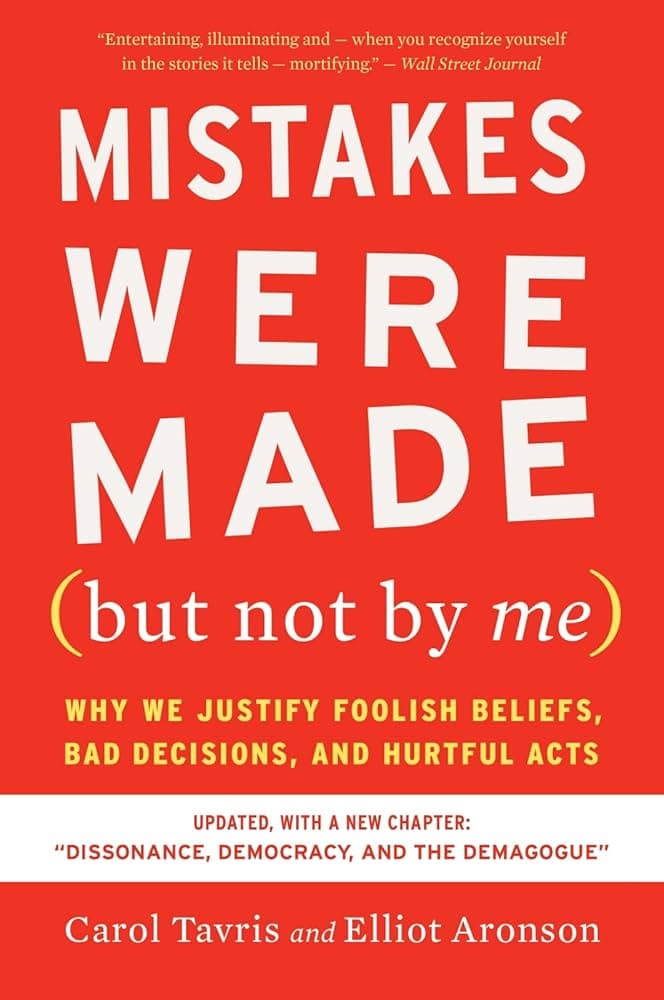
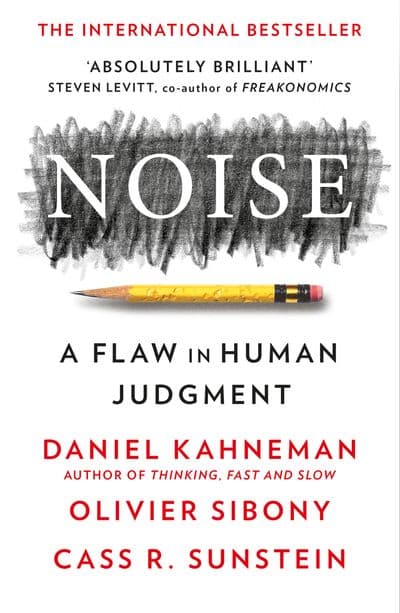
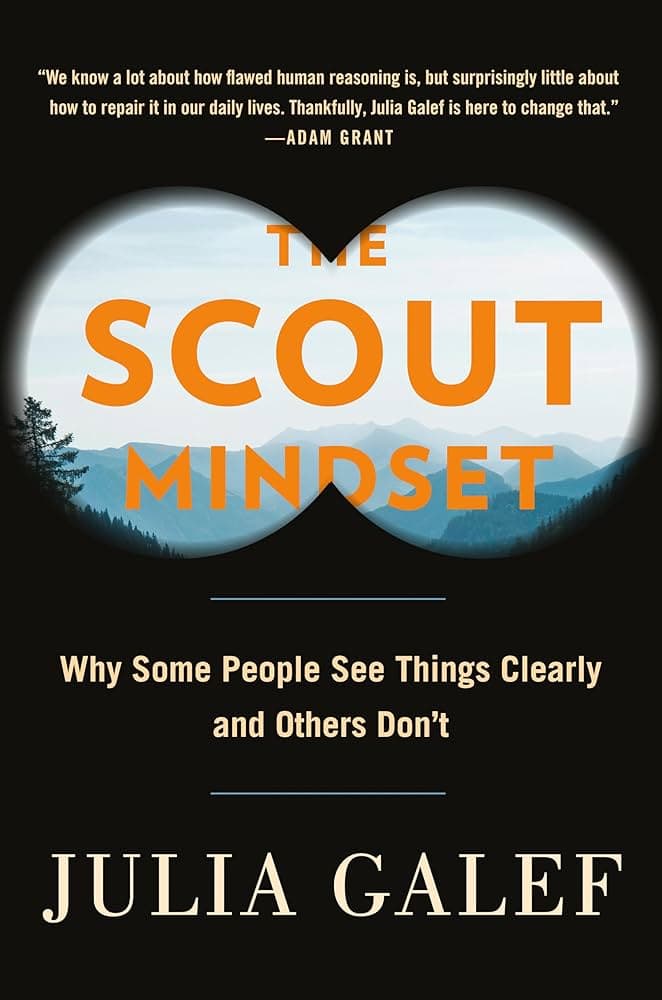
Everyone said yes. Did anyone mean it?
Lead a group-trip decision when public enthusiasm may be hiding private objections.
Nearby patterns.
Abilene paradox
Groupthink converges on a view members come to share; in the Abilene paradox nobody ever agrees privately — the group acts on a preference no one holds.
Shared information bias
Shared information bias is the tendency of groups to spend their discussion time on information all members already know, while the unique knowledge held by individual members — often the information that would change the decision — never surfaces.
Bandwagon effect
The bandwagon effect is adopting a belief, product, or action because many other people appear to have adopted it.
False consensus effect
The false-consensus effect is overestimating how many other people share your view, preference, or behavior..
Bystander effect
The bystander effect is the tendency for individuals to be less likely to help — or act at all — when other people are present.
Learn the wider pattern.
Dive deeper into Groupthink and related biases in Social and Group Influence Biaseswith structured lessons, examples, and practice exercises.
Entry last reviewed 2026-07-19 · sources verified against the published literature — methodology