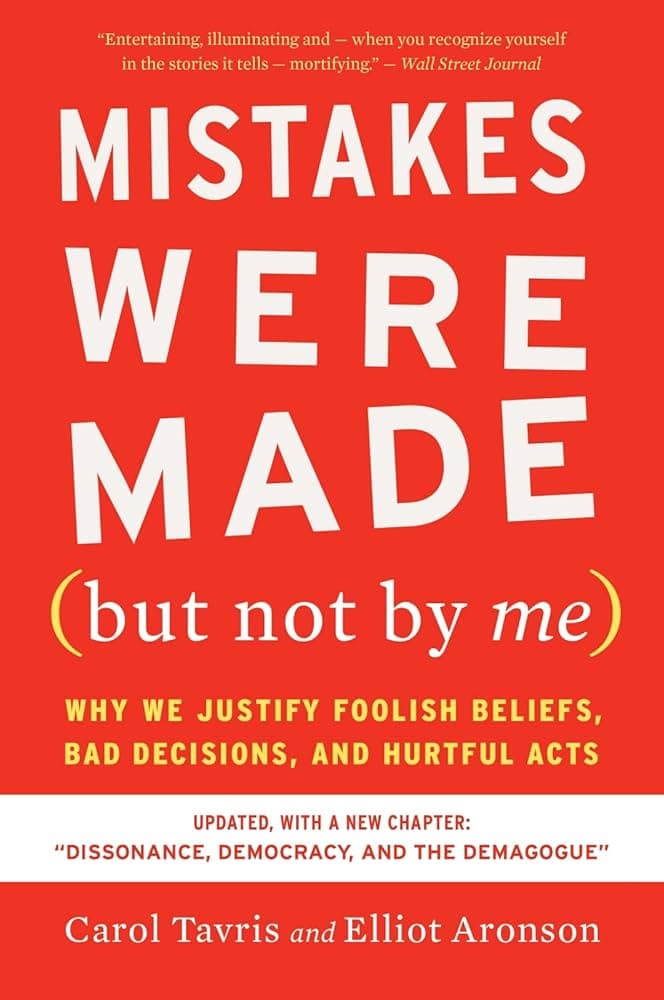
When Confidence Outpaced Data: A PM's Costly Feature Launch
A real-world example of Dunning-Kruger effect in action
Context
A mid-stage SaaS company with steady monthly recurring revenue (MRR) was preparing to release a new dashboard feature intended to increase engagement for small-business customers. The product manager leading the initiative had previously shipped minor UX tweaks successfully but had limited formal training in analytics and no experience running A/B experiments at scale.
Situation
Under pressure from the CEO to show rapid growth, the PM pushed to prioritize the new dashboard over a planned billing-clarity project that finance and support teams had flagged as causing customer confusion. The PM relied primarily on anecdotal feedback from a small selection of friendly beta users and their own intuition about customer needs, rather than quantitative usage data or a controlled pilot.
The bias in action
The PM exhibited the Dunning-Kruger effect by overestimating their ability to interpret sparse feedback and to predict product-market fit without rigorous analysis. They dismissed repeated asks from the analytics team to instrument key events for the new feature, claiming existing dashboards were “good enough.” When product designers and support raised concerns about the billing confusion, the PM minimized them as edge cases and accelerated the launch. Senior engineers who suggested a phased rollout were overruled because the PM believed a full release would produce cleaner signals faster.
Outcome
Two weeks after launch, the company saw an unexpected spike in support tickets related to billing and navigation confusion linked to the new dashboard. Over the next quarter, churn among small-business customers increased, onboarding completion rates fell, and the company lost MRR while scrambling to revert parts of the release. The PM’s roadmap credibility declined, and leadership instituted a temporary hiring freeze for product roles while they audited decision-making processes.
What's inside the full case study
Unlock the deeper breakdown with real-world impact, measurable effects, lessons learned, better-approach recommendations, and relevant fields.
Want the full analysis?
Request access to the complete case study, including measurable impact, lessons learned, and the recommended better approach.