Conservatism
Conservatism cognitive bias refers to the tendency of individuals to insufficiently revise their beliefs when presented with new evidence. This bias falls under the broader category of information overload, as people tend to give disproportionate weight to their prior knowledge or beliefs and do not adequately adjust them with fresh information. The phenomenon is closely associated with the psychological difficulty of abandoning previously held concepts and the innate preference for consistency.
How it works
Conservatism bias occurs when individuals are faced with new data that challenges their existing beliefs but fail to update those beliefs to the extent that they should, given the strength and validity of the new information. This can be attributed to cognitive dissonance, where individuals experience discomfort from clashing thoughts, prompting them to prefer stable beliefs over those requiring frequent change.
Examples
A notable example of conservatism bias occurs in financial markets: investors might hold onto unprofitable stocks longer than warranted because they do not adjust their beliefs about the stock's future performance even when clear negative evidence emerges. In everyday life, people might continue to believe in a debunked health myth even after receiving ample evidence against it.
Consequences
The consequences of conservatism bias include decision-making based on outdated or incorrect beliefs, resistance to innovation, persistence of stereotypes, and the potential exacerbation of misinformation. In fields such as finance, this can lead to suboptimal investment decisions and possible financial loss; in healthcare, it can contribute to the spread of myths and dangerous practices.
Counteracting
To counteract conservatism bias, individuals and organizations can implement strategies such as seeking diverse perspectives, engaging with new information critically, being open to change, and creating feedback mechanisms that emphasize the evaluation and integration of new data. Encouraging environments where questioning and revisiting beliefs is normalized can also help mitigate this bias.
Critiques
Critics argue that the conservatism bias might not always be detrimental; in some scenarios, it can protect individuals from overreacting to unreliable or misleading information. Moreover, some suggest that the extent of the bias can vary significantly across different contexts and cultures, which means that it cannot be uniformly labeled as detrimental.
Fields of Impact
Also known as
Relevant Research
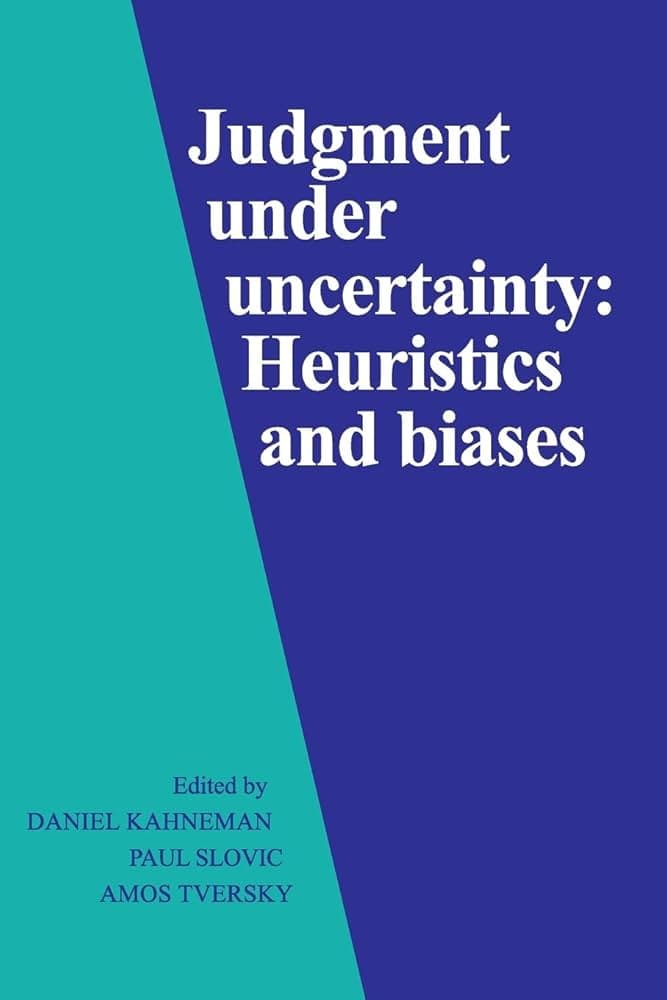
Conservatism in human information processing
Edwards, W. (1982)
Biased assimilation and attitude polarization: The effects of prior theories on subsequently considered evidence
Lord, C. G., Ross, L., & Lepper, M. R. (1979)
Case Studies
Real-world examples showing how Conservatism manifests in practice
Context
A mid-stage fintech company processed millions of transactions monthly and relied on a legacy rule-based fraud system built two years earlier. Product analytics and customer support were flagging a rising number of false positives—legitimate transactions blocked or sent for manual review.
Situation
Data science built a new machine-learning model that cut false positives by 40% in offline validation and reduced manual-review volume substantially. Engineering prepared a phased rollout and A/B test, but the fraud operations and compliance leads hesitated to deploy, citing past model failures and the need to “be cautious with user-facing changes.”
The Bias in Action
Decision-makers anchored on the prior system’s perceived stability and gave insufficient weight to the new model’s validation results. They demanded excessive extra evidence and withdrew from the planned A/B test after a few anomalous signals, treating limited noisy feedback as confirmation of their prior skepticism. As a result, the rollout was delayed and the organization continued to prioritize explanations that fit the old model’s trustworthiness rather than revising beliefs in light of strong new data.
Outcome
Because the new model was never fully deployed, the company continued to block or flag many legitimate transactions. Customer complaints and abandonment increased, operational costs remained high due to manual reviews, and product growth slowed while competitors offering smoother experiences captured share.