Affect heuristic
The affect heuristic is the tendency to let an immediate feeling of 'good' or 'bad' stand in for a deliberate evaluation of risks and benefits. Things we like are judged to be low-risk and high-benefit; things we dislike are judged high-risk and low-benefit — even though in reality risk and benefit are often positively correlated.
How it works
Emotional reactions arrive faster than analysis and act as a common currency for evaluation. When a technology, investment, or person triggers positive affect, the mind lowers its risk estimate and raises its benefit estimate together; negative affect does the reverse. Finucane and colleagues showed the signature result: give people information that increases perceived benefit of a technology and their perceived risk drops, despite receiving no risk information at all.
Where it shows up
- An executive greenlights a project they are enthusiastic about, simultaneously rating it as both more valuable and less risky than a colder analysis would support.
- Investors judge companies with likable brands as safer investments, conflating brand affection with financial risk.
- Public perception of nuclear power tracks dread rather than fatality statistics, while familiar risks like driving are underestimated.
What it can distort
- Risk and benefit assessments become mirror images of a single feeling, so genuinely high-benefit/high-risk options are miscategorized in both directions.
- Time pressure and emotional arousal amplify the effect, meaning the highest-stakes decisions often receive the most affect-driven evaluation.
How to work around it
- Score risk and benefit separately, ideally on different days or by different people, so a single feeling cannot drive both numbers.
- Notice enthusiasm as a signal to slow down: when everything about an option seems good, ask what an equally informed skeptic would list as its costs.
- Translate feelings into explicit probabilities and payoffs; affect loses its grip when forced through numbers.
Critiques and limits
Affect often encodes genuine experience, so treating it as pure noise is wrong; the heuristic is adaptive when feelings track real hazards, and misleading mainly in novel or statistically unintuitive domains.
Fields of impact
How solid is the research?
The inverse risk-benefit judgment pattern replicates consistently across domains and cultures.
Relevant papers
Finucane, M. L., Alhakami, A., Slovic, P., & Johnson, S. M. (2000)
Journal of Behavioral Decision Making, 13(1), 1-17
Slovic, P., Finucane, M. L., Peters, E., & MacGregor, D. G. (2007)
European Journal of Operational Research, 177(3), 1333-1352
Loewenstein, G. F., Weber, E. U., Hsee, C. K., & Welch, N. (2001)
Psychological Bulletin, 127(2), 267-286
Real-world patterns.
When emotion starts driving the decision
A leadership team is reviewing a promising initiative under deadline pressure. Early reactions to the concept are strongly positive, and that emotional tone begins shaping the discussion before anyone has separated likely upside from operational risk.
Context
A team makes a high-stakes decision under time pressure, and their first emotional reaction starts shaping how risky and how promising the option feels.
Situation
Early signals look encouraging, the narrative feels compelling, and the group begins to evaluate the opportunity through that positive feeling instead of separating upside from downside.
The bias in action
The emotional tone of the option begins to stand in for careful analysis, shrinking perceived risk while inflating expected benefit.
Outcome
The decision moves forward with less scrutiny than it would have received under a more explicit risk-benefit review.
Continue reading for the full case, measurable impact, and lessons learned.
Want the full analysis?
Request access to the complete case study, including measurable impact, lessons learned, and the recommended better approach.
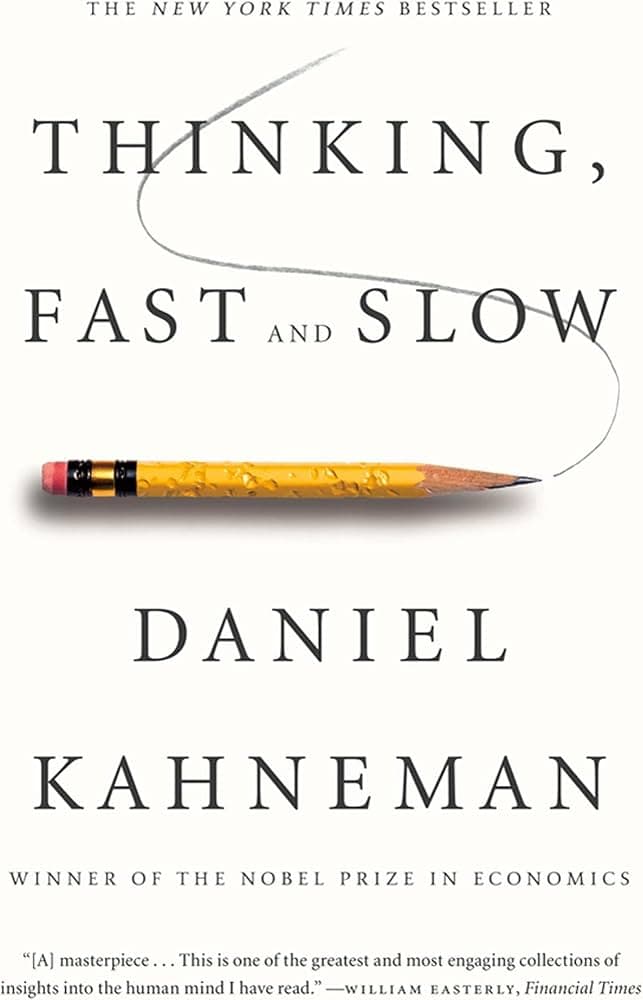
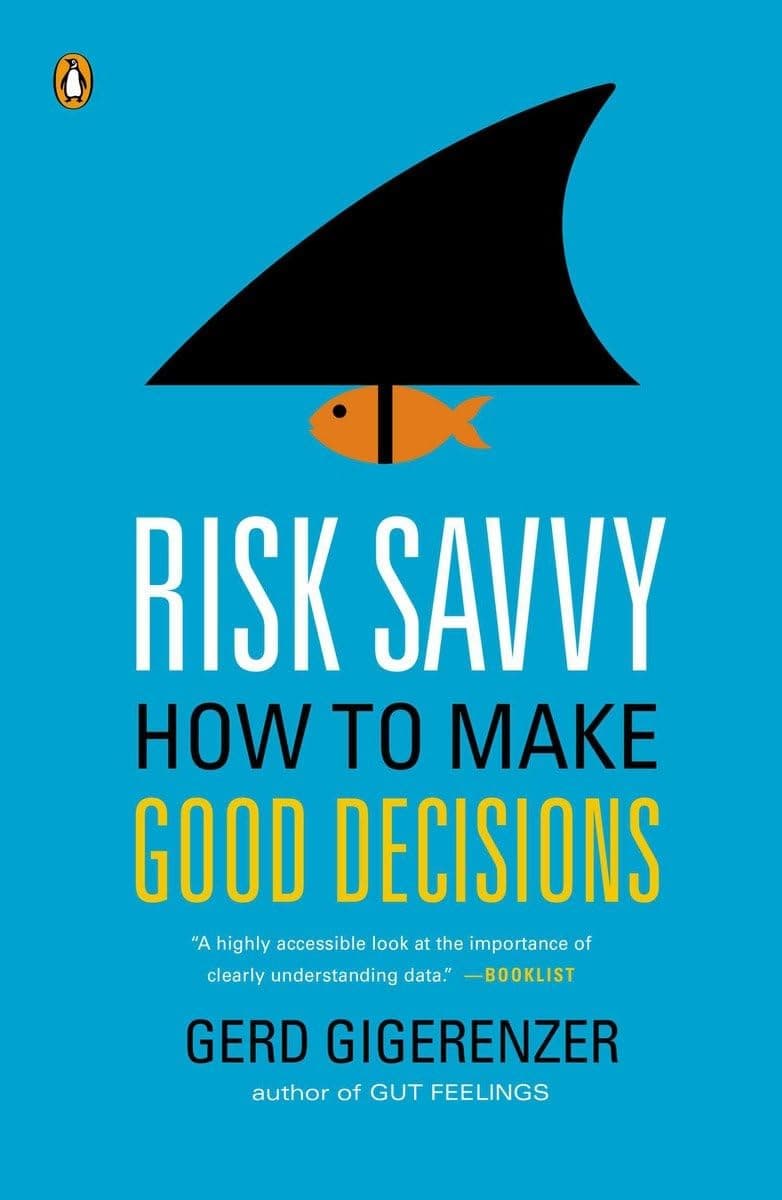
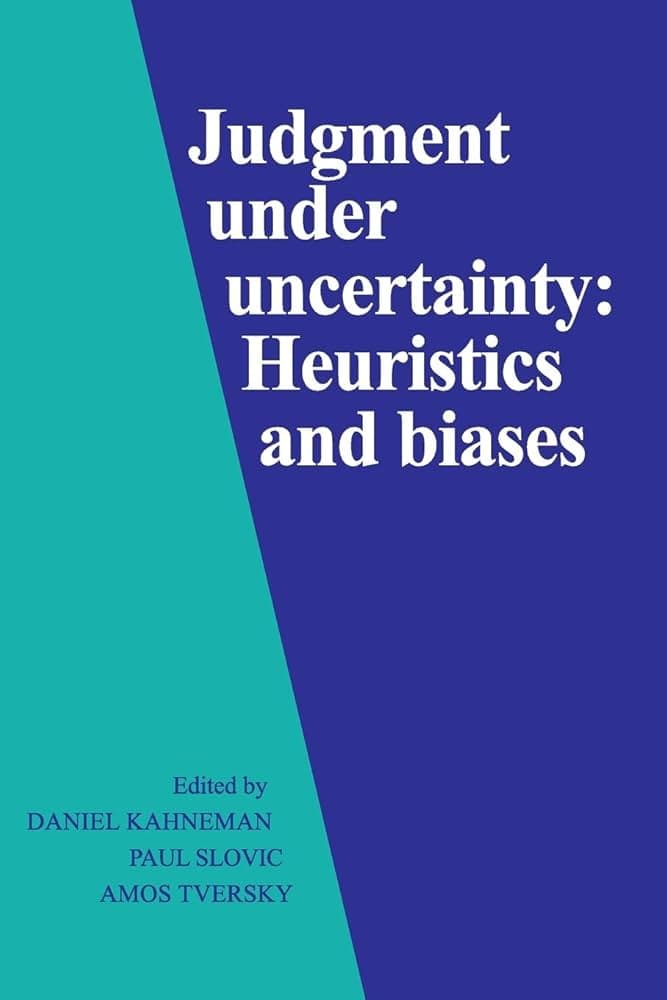
Recommended books
Nearby patterns.
Neglect of probability
Neglect of probability is reacting to the size or vividness of a possible outcome while giving too little weight to how likely it is..
Halo effect
The halo effect is affect spilling across a person's traits; the affect heuristic is the same spill across an option's risks and benefits.
Optimism bias
Optimism bias is expecting better outcomes for ourselves than for similar other people.
Salience bias
Salience bias is the tendency to focus on information that is vivid, emotionally striking, or perceptually prominent while neglecting information that is duller but often more important.
Learn the wider pattern.
Dive deeper into Affect heuristic and related biases in Decision-Making and Risk Biaseswith structured lessons, examples, and practice exercises.
Entry last reviewed 2026-07-19 · sources verified against the published literature — methodology